

What Is Affiliate Marketing? Explanation For Beginners
Affiliate marketing is a business model that allows individuals and businesses to earn commissions by promoting products or services created by other companies. It is one of the most established forms of online marketing and is widely used by bloggers, educators, content creators, and digital publishers.
While the concept is often presented as simple, many beginners misunderstand how affiliate marketing works in practice. This guide provides a detailed, realistic explanation of affiliate marketing, how it functions behind the scenes, and how it fits into a long-term online business strategy.
The Core Definition of Affiliate Marketing
Affiliate marketing is a performance-based marketing model. This means affiliates are compensated only when a specific action occurs, most commonly a sale.
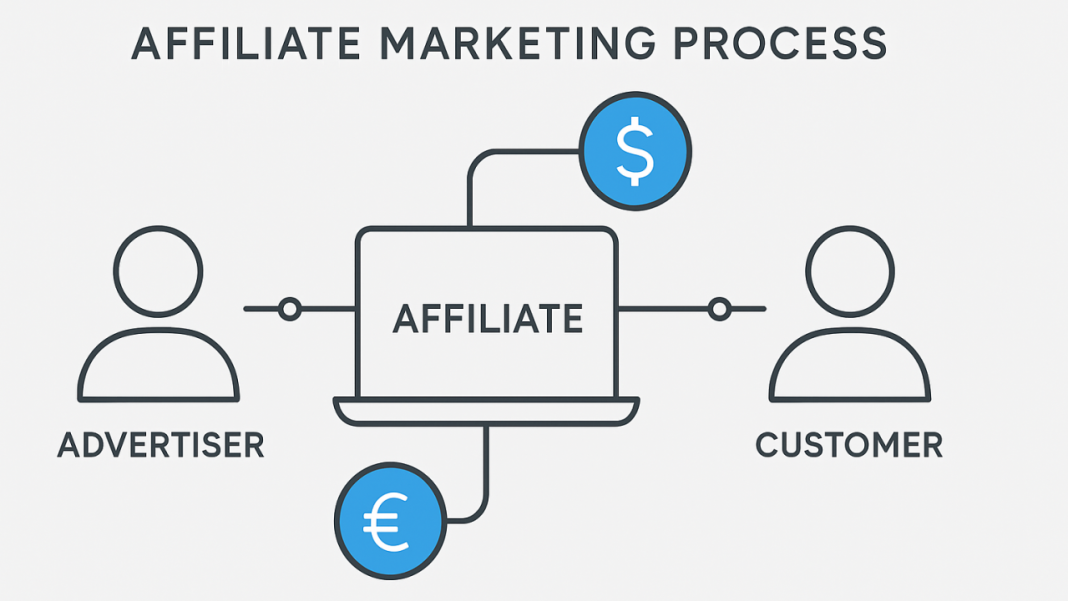
In practical terms, affiliate marketing works as follows:
- A business creates an affiliate program
- An affiliate joins the program and receives a unique tracking link
- The affiliate publishes content that recommends or discusses the product
- A user clicks the affiliate link and completes a purchase
- The affiliate earns a commission
This model benefits both sides. Businesses pay only for results, while affiliates can generate income without creating products, handling payments, or managing customer service.
How to Start Affiliate Marketing From Scratch
How Affiliate Marketing Works Step by Step
Understanding the process in detail helps remove confusion and unrealistic expectations.
A Business Creates an Affiliate Program
Companies launch affiliate programs to increase sales through third-party promotion. These programs define:
- Commission rates
- Cookie duration
- Allowed promotional methods
- Payment terms
Affiliate programs may be managed directly by the company or through affiliate networks.
An Affiliate Joins the Program
Affiliates apply to join programs that align with their niche and audience. Once approved, they receive unique tracking links that identify referrals.
Each affiliate link ensures sales can be accurately attributed.
Content Is Created and Published
Affiliates create content designed to educate, inform, or help users make decisions. Common formats include:
- Blog articles
- Product reviews
- Comparison guides
- Tutorials
- Educational resources
Content quality is critical. Successful affiliates prioritize usefulness and clarity over aggressive promotion.
Users Click Affiliate Links
When readers click an affiliate link, tracking cookies are placed in their browser. These cookies record the referral source and remain active for a defined period.
If a purchase occurs within that time frame, the affiliate is credited with the sale.
Commissions Are Earned and Paid
Once the transaction is confirmed, the affiliate earns a commission. Payments are typically issued monthly or after a minimum payout threshold is reached.

Who Affiliate Marketing Is Best Suited For
Affiliate marketing is well-suited to individuals who:
- Enjoy teaching or explaining topics
- Prefer content creation over direct selling
- Want a scalable online business model
- Are comfortable with long-term growth timelines
It is commonly used by:
- Bloggers and writers
- Website owners
- SEO-focused publishers
- Educators and niche experts
Affiliate marketing rewards patience, consistency, and credibility rather than short-term tactics.
Common Affiliate Marketing Commission Models
Affiliate programs compensate affiliates using different structures.
Pay Per Sale (PPS)
The affiliate earns a percentage or fixed commission when a sale is completed. This is the most common and widely used model.
Pay Per Lead (PPL)
Affiliates earn commissions when users complete actions such as:
- Signing up for a free trial
- Submitting contact information
- Creating an account
This model is common in software and service-based industries.
Pay Per Click (PPC)
In this model, affiliates earn money for generating clicks. It is less common today due to quality control challenges.
Understanding commission models helps affiliates choose programs aligned with their content and audience intent.
Why Companies Use Affiliate Marketing
Businesses use affiliate marketing because it is efficient and low risk.
Key advantages for companies include:
- Payment only for actual results
- Access to niche audiences
- Increased brand exposure through trusted voices
- Scalable customer acquisition
Affiliate marketing allows companies to leverage external publishers while maintaining predictable costs.
Is Affiliate Marketing Legitimate?
Affiliate marketing is a legitimate and widely adopted marketing channel used by established global brands.
However, unrealistic marketing claims often create false expectations. Affiliate marketing is not instant income and does not guarantee results.
Success depends on:
- Content quality
- Traffic relevance
- Audience trust
- Long-term consistency
How Affiliate Marketing Actually Makes Money

Affiliate Marketing Compared to Other Online Business Models
Affiliate marketing differs significantly from other online income models.
Ecommerce and Dropshipping
These models require:
- Inventory or supplier management
- Customer support
- Order fulfillment
Affiliate marketing eliminates these responsibilities.
Freelancing
Freelancing involves trading time directly for money. Affiliate marketing focuses on leverage, allowing content to generate value repeatedly.
Advertising-Based Content Sites
Affiliate marketing is often more targeted than ad-based monetization because it aligns revenue with user intent.
How Affiliate Marketing Generates Income in Practice
Affiliate income is generated when content attracts users who are actively searching for solutions or recommendations.
High-performing affiliate content:
- Matches search intent
- Provides clear explanations
- Builds credibility through transparency
- Recommends relevant solutions
Over time, content can rank in search engines, generate recurring traffic, and produce consistent commissions.
Advantages of Affiliate Marketing
- Low startup costs
- No product creation
- Minimal ongoing overhead
- Scalable income potential
- Geographic flexibility
These benefits make affiliate marketing appealing as a long-term business model.
Limitations and Challenges
Affiliate marketing also has limitations:
- Results take time to materialize
- Income is dependent on third-party programs
- Algorithm and policy changes can affect traffic
Understanding these risks helps affiliates plan realistically.
What to Do After Understanding Affiliate Marketing
Once the fundamentals are clear, the next steps are:
- Choose a focused niche
- Select a primary traffic method
- Create high-quality, helpful content
- Join relevant affiliate programs
- Optimize content over time
Affiliate marketing success is built through consistency, patience, and value creation.
Recommended next reading:
- How Long Does Affiliate Marketing Take to Make Money?
- How to Get Traffic to Affiliate Links
- How Affiliate Marketing Actually Makes Money